Rinvera Modüler Mobilya
We don't just manufacture furniture; we bring comfort and aesthetics to your living spaces according to high industry standards.

We don't just manufacture furniture; we bring comfort and aesthetics to your living spaces according to high industry standards.

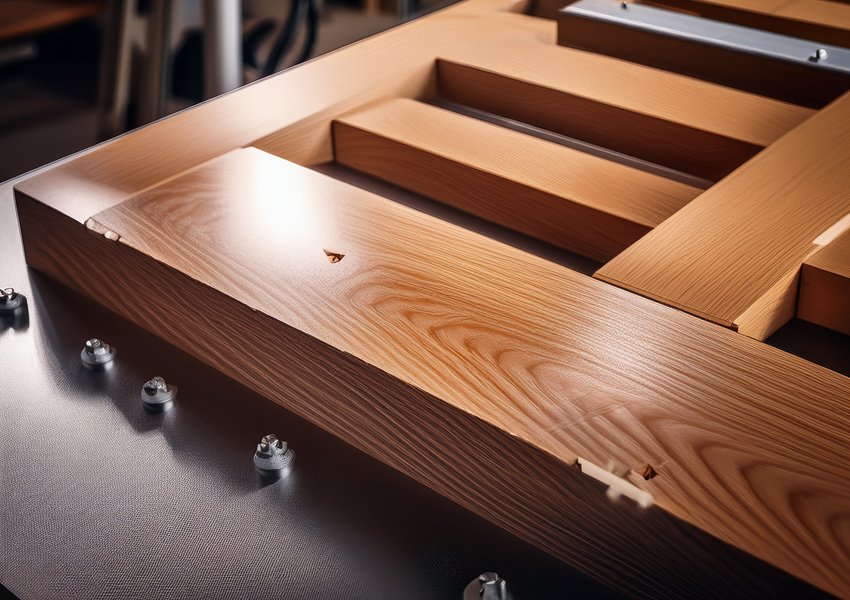
The most robust furniture production is the production made with mortise and tenon and traditional wood interlacing techniques using solid wood (especially hardwoods such as oak, walnut and hornbeam).
Invisible details, the kind of wood used, and the quality of workmanship directly determine longevity:
Material Selection: Solid woods are the most resistant material to stretching and impacts. Compressed dust/particle boards such as chipboard or MDF do not last long because they have low screw holding capacity and are quickly affected by moisture.
Joining Techniques: Furniture that is only attached with screws, nails or glue begins to wobble over time. Mortise & Tenon, where wood is locked to wood, and dovetail (d...
The most robust furniture production is the one made using solid wood (especially oak, walnut, hornbeam) skeletons and traditional wood joining techniques such as dovetailing.
Here are the key elements that ensure the longevity and durability of the furniture:
Material Selection: In terms of structural strength, kiln-dried hardwoods (oak, walnut, hornbeam, beech) provide the highest strength. For panel furniture, MDF is much more resistant to impact and moisture than chipboard or plywood.
Joining (Snapping) Techniques: Woods that are connected to each other by dovetail, mortise and tenon and dowel methods instead of being screwed do not shake or stretch over time as they distribute the load evenly.
Skeleton Structure: The kiln-dried hornbeam (beech) frame in armchairs and chairs provides the highest resistance to bending and breaking.